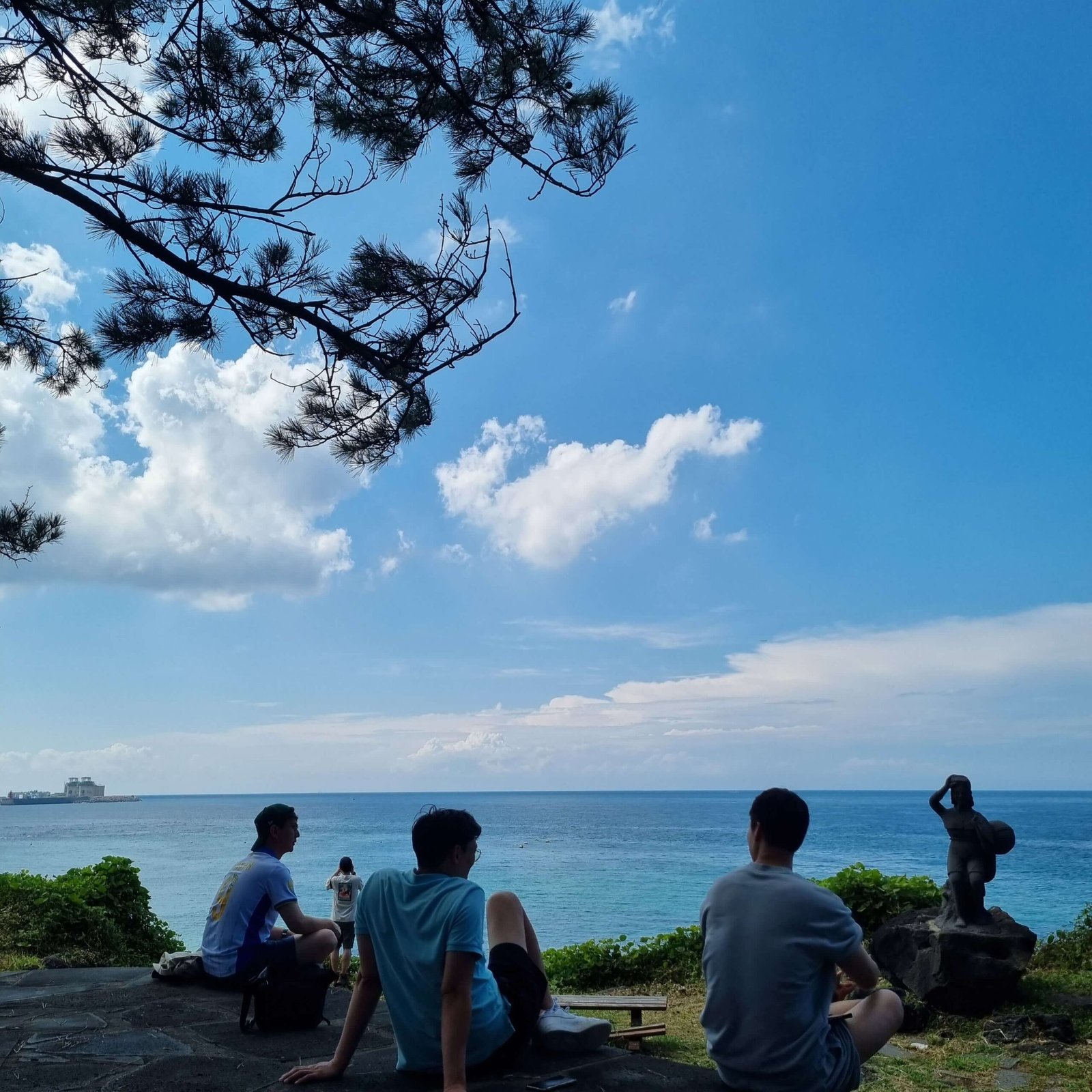
Hey there, travel lovers! Are you planning your dream Jeju Island travel? As a local living in Seoul who hops over to Jeju whenever I need a “healing” break, I can tell you that this island is much more than just Hallasan Mountain.
Whether you’re looking for emerald beaches or mysterious volcanic trails, Jeju has a unique vibe that you won’t find anywhere else in Korea. Let’s dive into the local secrets that will make your trip unforgettable!
Jeju is often called the “Hawaii of Korea,” but to us locals, it’s the land of Samda (삼다)—which means it has an abundance of three things: rocks, wind, and brave women (haenyeo).
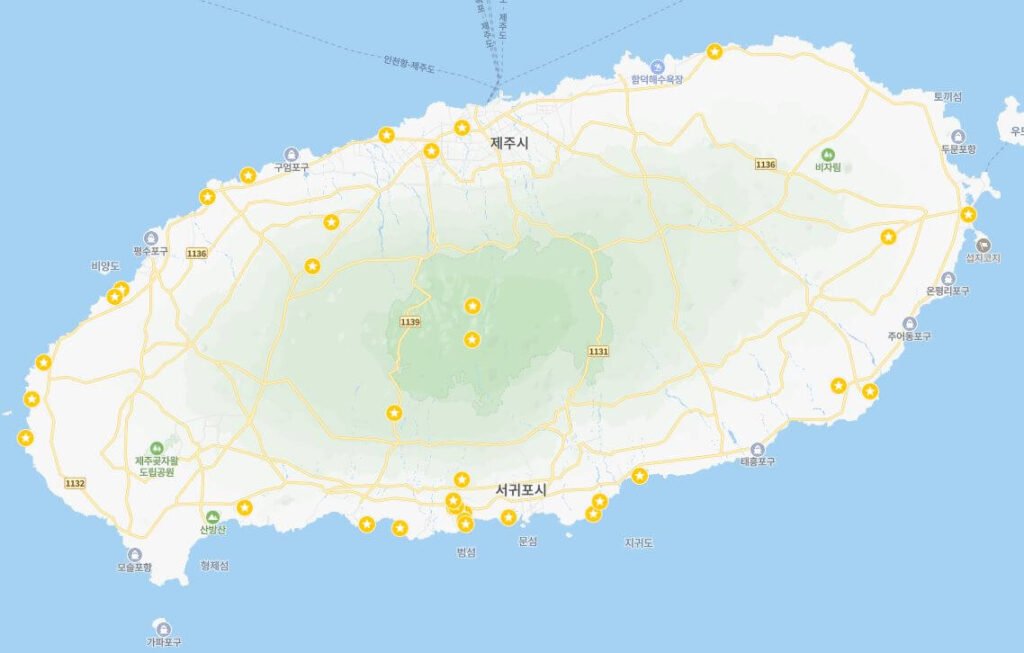
If you’re looking to visit the exact spots marked on this map, be sure to check out my detailed guide here! It covers everything you need for your Jeju Island travel.”
If you want to avoid the massive tourist crowds, here are my top picks for an authentic Jeju Island travel experience:
Hamdeok Beach (함덕해수욕장): Famous for its shallow, turquoise water. It’s perfect for a relaxing swim.
Bijarim Forest (비자림): Walk among 2,800 nutmeg trees. The air here feels like a natural detox!
Seopjikoji (섭지코지): A stunning coastal walk where you can see the famous Seongsan Ilchulbong (성산일출봉 – Sunrise Peak) from a distance.
Snoopy Garden: Surprisingly popular among locals for its beautifully landscaped outdoor zones.
Yakcheonsa Temple (약천사): One of the largest Buddhist temples in Asia with a stunning ocean view.
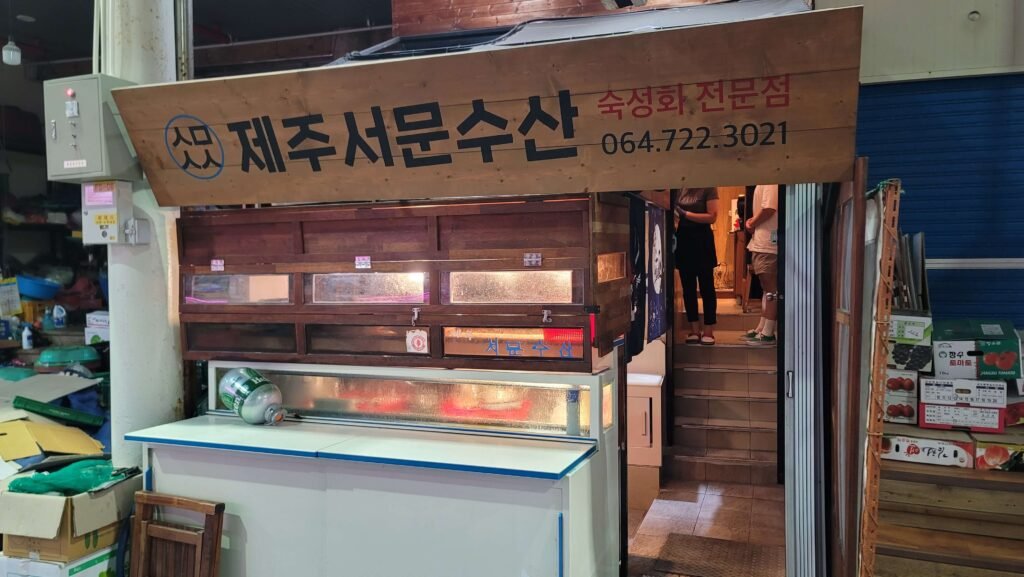
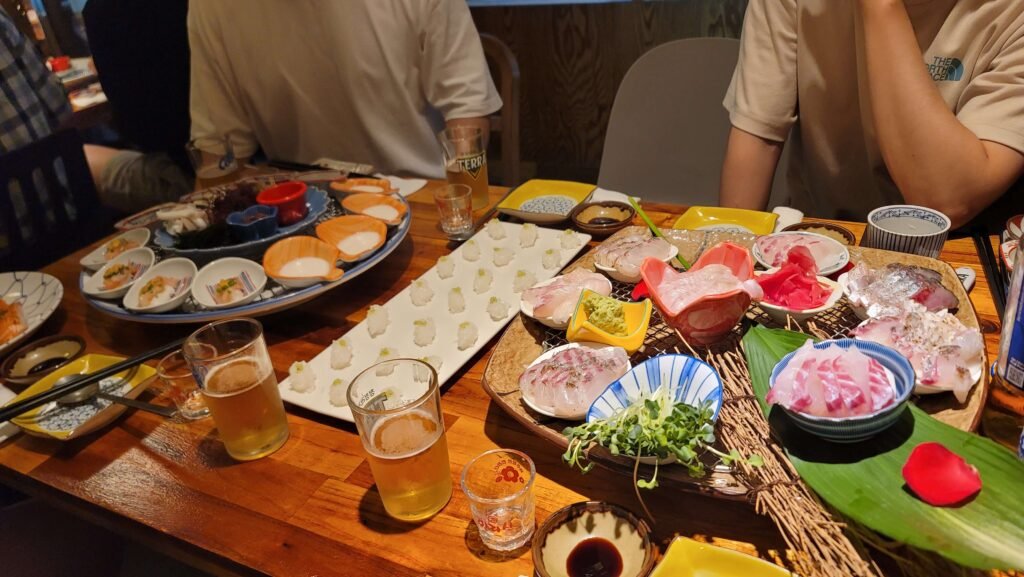
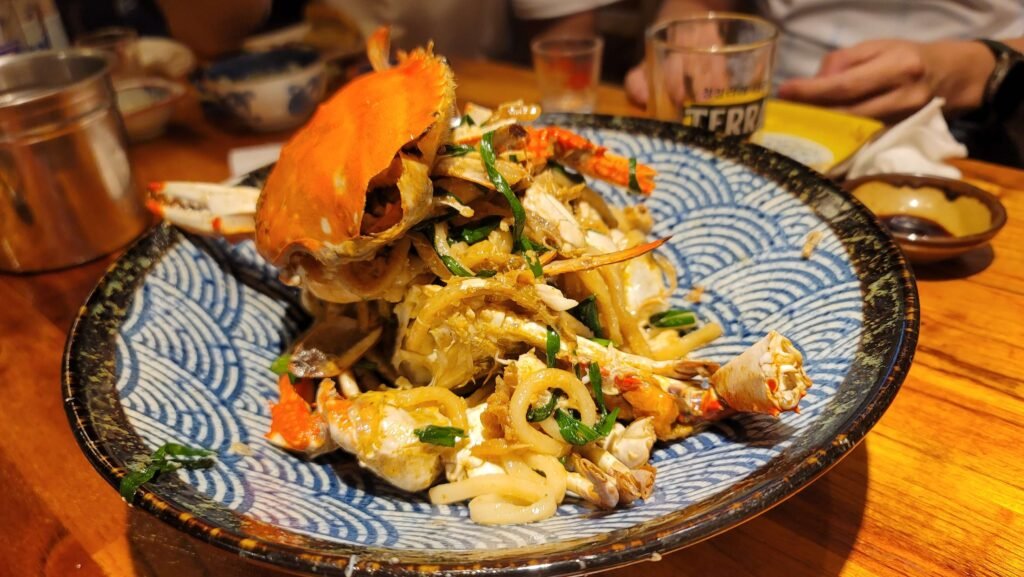
[Local’s Pro Tip] Also, for a true hidden gem, I highly recommend Seomun Susan (서문수산 – Seomun Seafood). It’s a legendary spot among locals for its incredible freshness, but it’s strictly reservation-only. Make sure to book your table in advance to complete your Jeju Island travel food tour!
3. Essential Jeju Food: Beyond Black Pork
You can’t talk about Jeju Island travel without mentioning the food. While Heuk-dwaeji (흑돼지 – Black Pork) is a superstar, you should also try:
Gogi-guksu (고기국수): Pork noodle soup with a rich, milky broth.
Omegi-tteok (오메기떡): A traditional rice cake coated with red beans and nuts.
Jeonbok-juk (전복죽): Nutritious abalone porridge that locals eat for breakfast.
[Insert Image: jeju-island-food-guide / Alt Text: A table set with delicious Jeju Island travel food including black pork and seafood noodles]
4. Helpful Resources for Your Trip
To make your planning easier, I highly recommend checking out the official tourism site. It provides real-time updates on weather and festival schedules.
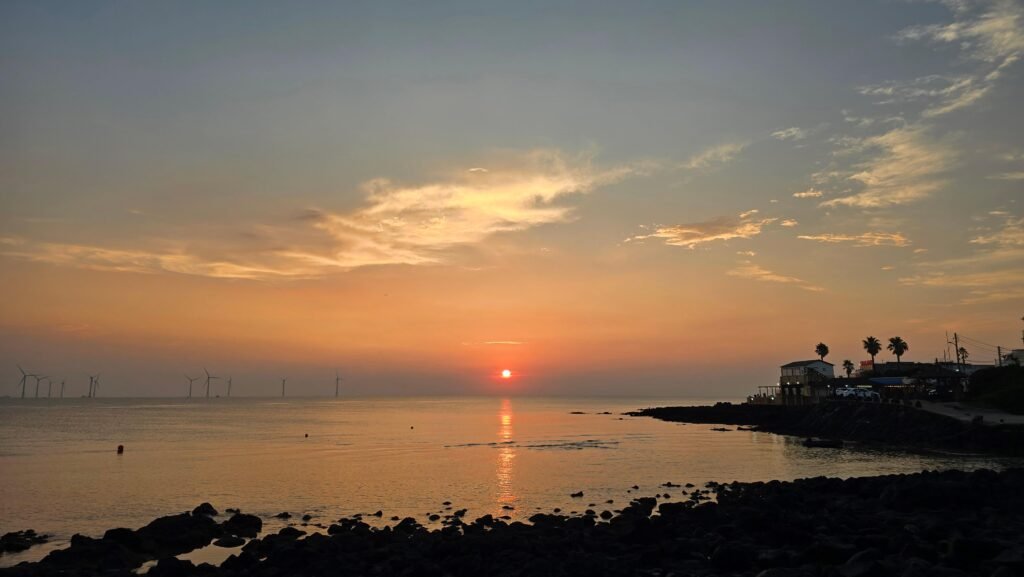
Every time I visit Jeju, I’m reminded of how slow and peaceful life can be. My favorite memory is watching the sunset at a small cafe in Aewol. It’s not just a vacation; it’s a soul-recharge. I hope your Jeju Island travel brings you the same peace and joy it brings me.
Have you ever been to Jeju, or is it on your bucket list? Let me know your favorite spot in the comments below! I’ll be back soon with a guide on the best rental car tips for Korea.
Stay tuned! ✈️
When is the best time for Jeju Island Travel?
If you’re wondering when to visit, I highly recommend spring (April to June) for the yellow canola flowers, or autumn (September to November) for the cool hiking weather and silver grass. Summer is great for beach lovers, but be prepared for the humidity! No matter when you choose, Jeju Island travel will offer you breathtaking scenery and fresh air that resets your mind.