Hello, my dear global friends! It’s your local Seoul buddy and expert, K-locallog. Are you currently preparing for an unforgettable travel to South Korea 2026? One of the most vital aspects of any trip is mastering how to pay in Korea so you can focus on the beauty of the country rather than your wallet.
“Should I carry cash?”, “Will my foreign credit card work?”, “How do I use the subway?” These are the questions that define your strategy for how to pay in Korea. Today, I am going to share everything you need to know about the financial landscape here. We will talk about the legendary “Cheat Key” of Korean travel, how to spot “tourist traps” at exchange offices, and why your “Son-pum” (manual effort) in checking local reviews is essential for how to pay in Korea. Let’s make your journey as smooth as a K-pop dance routine!
1. Why Mastering “How to Pay in Korea” Starts with T-money
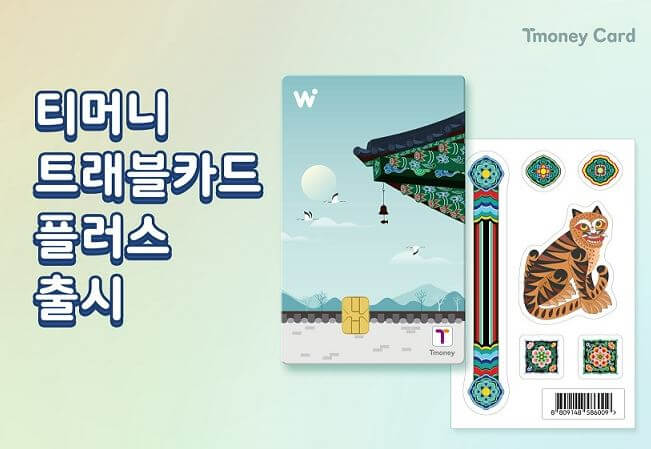
If there is one thing you must have in your wallet the moment you land, it is a T-money card. In my years of helping travelers understand how to pay in Korea, I have always described the T-money card as a “Cheat Key” for South Korea.
Why is it a Cheat Key for How to Pay in Korea? Imagine a single card that gives you total access to the pulse of Seoul. With T-money, you don’t just use the subway; you unlock the entire city. It is accepted on every subway line, every city bus, and even in most taxis across the country. But the power of this cheat key goes beyond transport.
When you learn how to pay in Korea, you’ll see that T-money is also accepted at convenience stores, vending machines, and even some small cafes. For any traveler who wants to explore Seoul and beyond, T-money is the ultimate all-access pass. It is the most fundamental part of your strategy for how to pay in Korea.
👉 Master the Flow: Korea Public Transport & Transfer Guide
2. Practical Steps for How to Pay in Korea: Purchase & Refunds
Using the how to pay in Korea system starts with getting your T-money card correctly. While it’s simple, there are a few local secrets you should know to maximize your budget.
- Purchasing: You can find T-money cards at every convenience store (CU, GS25, 7-Eleven) and inside all subway stations. Knowing where to buy is step one in how to pay in Korea.
- Charging (Top-up): You must charge the card with cash (Korean Won). While Korea is a cashless society, the machines that top up transportation cards usually only accept cash. This is a small but vital detail for your how to pay in Korea strategy.
- The Refund: When your trip is over, don’t throw the card away! You can get a refund of the remaining balance at any convenience store. This ensures your how to pay in Korea experience is cost-effective.
Stay updated with the latest features for international visitors through the official T-money updates: 👉 Official T-money Foreigner Service News & Updates
3. Card vs. Cash: Avoiding Common Tourist Traps
South Korea has one of the highest credit card usage rates in the world. From high-end department stores to the smallest cafes, cards are almost always accepted. However, a major part of how to pay in Korea is recognizing when you’re being misled.
In some traditional markets or small shops, a owner might tell you, “The card terminal is broken,” or “Cash only.” The Truth: In Korea, it is actually illegal for established businesses to refuse credit cards. If someone tells you the terminal is broken, it is often an attempt to avoid transaction fees.
A “smart” traveler who understands how to pay in Korea knows that “broken terminals” are a rare coincidence. Always have your T-money card or a bit of cash as a backup, but don’t be afraid to politely insist on using your card if you see a terminal on the counter. This is a pro tip for how to pay in Korea safely.
4. Currency Exchange: The Best Strategy for How to Pay in Korea
A big part of how to pay in Korea involves getting the best exchange rates. This is where your ‘Son-pum’ (manual search) really pays off.
- The Airport Trap: While the airport exchange booths are convenient, they offer the worst rates. Only exchange a small amount at the airport to get your T-money card.
- The Myeongdong Secret: For those who want to master how to pay in Korea, the independent exchange offices in Myeongdong offer significantly better rates.
- Digital “Son-pum”: Use your phone to check the daily exchange rate before you go. This is a critical habit for anyone learning how to pay in Korea.
For official information on legal exchange procedures and tourist safety, always check the government portal: 👉 VisitKorea Official Website: Currency & Exchange Tips
I cannot emphasize this enough: The more you search, the more you save. Before you visit a traditional market, put in some “Son-pum” by checking Naver Reviews.
Koreans are very honest. If a specific stall in a market is known for being unfriendly to card users, you will find it in the Naver comments. Use a browser translator and look for reviews that mention “카드” (card) or “현금” (cash).
By choosing shops that are highly rated by locals for their honesty and service, you are protecting your budget. A traveler who masters how to pay in Korea through local data is a traveler who never gets scammed. This is the “Breathtaking” secret of a perfect trip.
6. Digital Wallets and Foreign Cards: The Modern Way
In 2026, how to pay in Korea has become even more digital. Knowing these modern methods will make your trip much easier.
- Apple Pay: Now widely accepted in major franchises and convenience stores.
- Foreign Cards: Visa and Mastercard are accepted almost everywhere. However, ensure your card has an IC chip.
- Emergency Tip: Always carry two different cards from different banks. This is a smart backup plan for how to pay in Korea.
Frequently Asked Questions (FAQ)
Q: Is it okay to go 100% cashless for my travel to South Korea 2026? A: I wouldn’t recommend it. While 95% of your trip can be cashless, you will need cash to top up your T-money card. Carrying a bit of cash is essential for how to pay in Korea.
Q: Can I use T-money for all my transport as part of “How to Pay in Korea”? A: T-money covers subways, buses, and taxis. However, for the KTX (High-speed train), you will need a separate ticket, which is another part of how to pay in Korea.
Q: Why is T-money called a “Cheat Key” for How to Pay in Korea? A: Because it simplifies everything. One card for transport, food, and convenience stores makes how to pay in Korea incredibly efficient.
Final Thoughts from K-locallog
My dear friends, mastering how to pay in Korea is the secret to a stress-free and breathtaking holiday. Equip yourself with the T-money cheat key, do your “Son-pum” by checking Naver reviews, and always stay one step ahead of the “cash-only” traps.
By following these local tips, you aren’t just a tourist; you are a savvy traveler who knows exactly how to pay in Korea. Do you have more questions about your travel budget? Leave a comment below!
Stay smart and spend wisely, K-locallog