Planning a dream trip to Seoul shouldn’t involve worrying about an emergency in South Korea, but as someone with nearly two decades of experience in security and fraud investigation, I know that being prepared is the ultimate luxury. In a foreign land, language barriers can turn a minor incident into a stressful crisis. However, with the right numbers and a bit of local knowledge, you can navigate any challenge with ease.
Before you set off, I highly recommend checking my Ultimate South Korea Travel Guide: The Local Perspective to ensure your basics are covered. Now, let’s explore the essential protocols for handling an emergency in South Korea.
1. A Local’s Heart: Don’t Be Afraid to Ask for Help
Before we talk about apps and phone numbers, I want to share a personal belief that is at the core of my culture. If you find yourself in an emergency in South Korea, look around you. Koreans are incredibly friendly and helpful people. If you are lost, hurt, or feeling threatened, do not hesitate to approach a local and say, “Help me” or “Dowajuseyo.” You will find that most Koreans will go out of their way to ensure you are safe and taken care of. Believing in the kindness of the people here is your first and most powerful safety strategy.
2. 1330: Your Personal Mediator and Lifeline
If you have a non-life-threatening emergency in South Korea, the number 1330 is your best friend. It is more than just a tourist info line; it is your personal mediator.
- Taxi and Shop Disputes: If you feel a taxi driver is taking an unfair route, 1330 can mediate the situation in real-time. For more on this, read my specialized Guide to Avoiding Taxi Scams in Korea.
- Three-Way Interpretation: If you are at a police station or hospital and can’t communicate, 1330 provides a three-way call service to translate between you and the local official.
[Expert Note] How to Dial 1330:
- With a Local SIM/eSIM: Simply dial 1330.
- With a Roaming Phone: Dial +82-2-1330.
- Data-Only Users: Download the 1330 App to make free internet calls or chat with a counselor.
3. The Emergency Numbers: 112 and 119
For a high-stakes emergency in South Korea, you need the direct authorities.
- 112 (Police): Call for any security threats, theft, or physical altercations.
- 119 (Fire & Ambulance): For medical emergencies and fire. Paramedics are fast and highly trained.
Pro Tip: Once connected, say “English,” and you will be transferred to a translator. Never hang up until the translator joins the call.
4. Financial and Medical Crisis Management
In my years of investigating financial crimes, I’ve learned that the “Golden Hour” is everything. If you lose your card, it is a major emergency in South Korea because the society is almost entirely cashless.
- Card Loss: Freeze your card via your app immediately. For more security steps, see my Credit Card Fraud Prevention Tips in Korea.
- Medical Care: If you need a doctor at night, search for an “Eunggeupsil” (Emergency Room). During the day, local clinics (Uiwon) are faster and more affordable.
5. Tech-Savvy Safety: Apps You Must Have
Technology provides a digital safety net for any emergency in South Korea.
Ansim-i (Safety App): Shake your phone to alert the police and share your real-time location.
LOST 112: Check the centralized police system for any items you might have lost in public transport or shops.
Frequently Asked Questions (FAQ)
Q: Is it safe to approach strangers for help in Korea? A: Absolutely. As mentioned, Koreans are generally very kind to visitors. Most will try their best to assist you even if there is a language barrier.
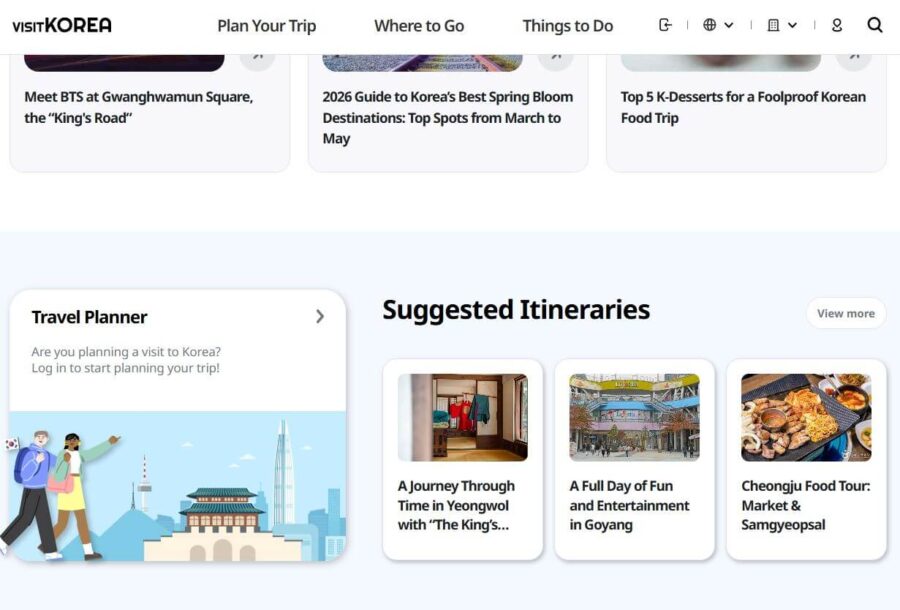
Q: Where can I find the most official travel safety alerts? A: I always recommend checking the VisitKorea Official Website. It is the gold standard for verified, national-level information regarding any emergency in South Korea.
Final Thoughts from K-locallog:
A career in security has taught me that “safety” is simply having a plan. An emergency in South Korea doesn’t have to ruin your adventure if you know who to call and remember that you are surrounded by people who want to help you.
Stay vigilant, keep your digital data secure, and always remember that a friendly local is just a “hello” away. My mission is to ensure you experience the very best of my home country while staying perfectly safe.
With sincerity and warmth,
K-locallog